Your Best Mechanic Is Also Your Biggest Employee-Relations Problem. Now What?
A real look at balancing specialized talent with behavior and performance expectations–without losing the person or the rest of the shop.
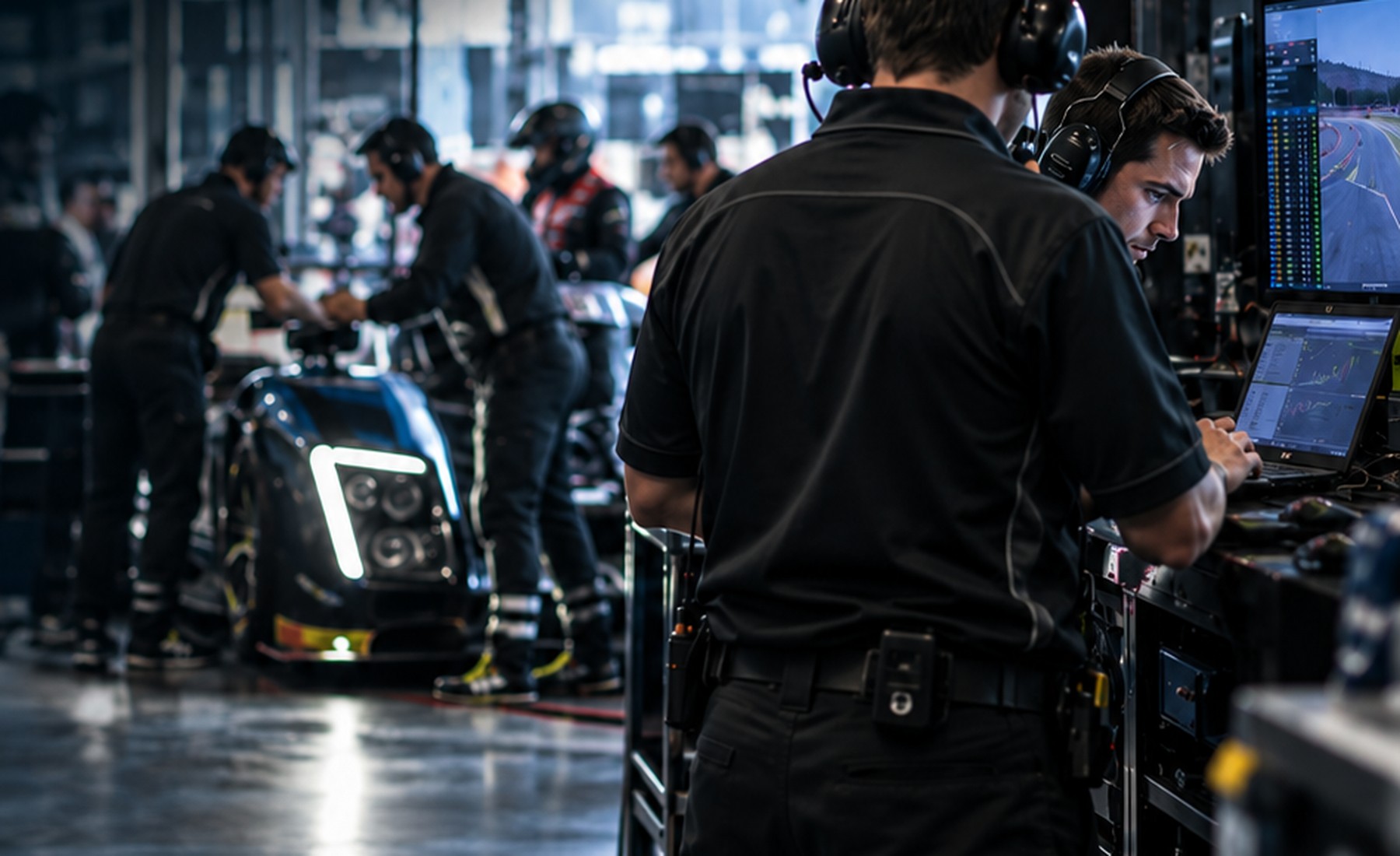
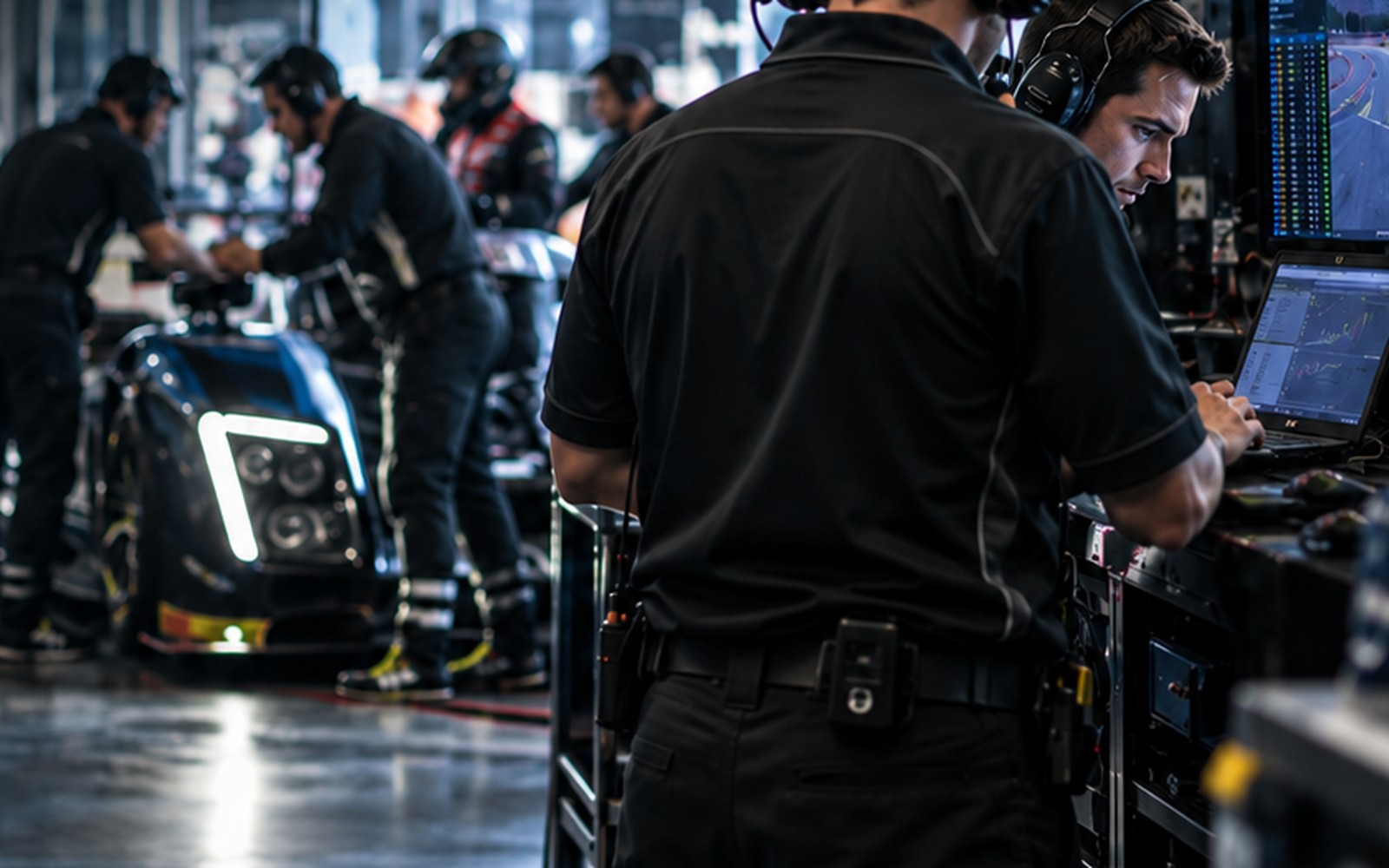
Every race shop has one. The person who can find a tenth nobody else can find, diagnose a gearbox by sound, and rebuild a corner overnight so the car makes the grid. And the person half the crew quietly works around.
Maybe it is the temper on the radio. Maybe it is the way newer technicians get talked to when the car comes back damaged. Maybe it is showing up whenever they feel like it, because everyone knows nobody is going to say anything. The work is excellent. The behavior is a problem. And the problem keeps getting excused because the work is excellent.
That trade feels reasonable for a while. It almost never stays reasonable.
Why this gets tolerated
The honest answer is fear, and it is a rational fear. Specialized motorsport talent is hard to replace. The people who can do this work at a high level are a small group, they mostly know each other, and they are rarely looking for a job in the middle of the season. Losing one in June can cost you results you will not get back.
So the calculation becomes: “Is the behavior bad enough to risk the car?” For most teams, most weeks, the answer is no. The conversation gets pushed. The comment gets ignored. Someone on the crew is told to “just let it go, you know how he is.”
The trouble is that each one of those decisions is made in isolation, and the cost of them is not.
What tolerance actually costs
The rest of the crew is keeping score
In a race shop, everyone can see everything. They see who gets yelled at and who does the yelling. They see who gets away with arriving late and who gets a call about it. When one person operates under a different set of rules, the rest of the team does not conclude that the person is talented. They conclude that the rules are not real.
That is usually when good people start leaving–not the star, but the solid technicians and younger crew members who are easier to lose and harder to notice losing until there are three open roles in the off-season.
The standard drifts to match the exception
Whatever you tolerate from your best person becomes the ceiling for everyone else. If a senior mechanic can berate a tire changer in front of the crew without consequence, it becomes very hard to address the next person who does it. “Why am I getting written up when he does it every weekend?” is a fair question, and there is no good answer to it.
The exposure builds quietly
Most behavior problems are just behavior problems. Some are not. Repeated comments about someone’s age, background, or gender; aggressive conduct around tools and equipment; retaliation against someone who complained–those move a situation from a culture issue into a legal one. When that happens, the first question is usually what the team knew and what it did about it. “We knew, and we let it go because he is our best mechanic” is a difficult place to stand.
The crew doesn’t lose respect for the leader who addresses a star’s behavior. They lose respect for the one who doesn’t.
Separate the work from the conduct
The most useful thing a leader can do here is stop treating this as one question. It is two.
Is the work meeting the standard? Usually, yes–that is why you are in this position.
Is the conduct meeting the standard? If the answer is no, the first answer does not change it. Excellent work does not offset unacceptable conduct any more than great conduct offsets bad work. They are scored separately.
Framing it that way does two things. It lets you be genuinely appreciative of the person’s skill in the same conversation where you are being clear about the behavior. And it keeps the discussion from turning into a negotiation over how valuable the person is–which is a negotiation you will lose.
Five steps that actually work
01Name the specific behavior
“Your attitude” is not something anyone can fix. “On Saturday you threw a wrench across the garage and called Jake an idiot over the radio in front of the crew” is. Describe what happened, when, and who it affected. Leave the character judgments out.
02Have the conversation privately, and soon
Not on the grid and not after the next race. The longer the gap between the behavior and the conversation, the more it feels like an ambush and the less it feels like a standard. A quiet 20 minutes early in the week beats a perfect conversation a month later.
03Ask before you conclude
Sometimes there is a reason underneath it–burnout, a problem at home, frustration with a decision nobody explained, or a sense that they are carrying the program. That does not excuse the behavior, but it often explains it, and it can change what support looks like.
04Be clear about the expectation and what happens next
Say plainly what needs to change, by when, and what follows if it does not. If you are not willing to follow through on a consequence, do not state one. A threat that is never acted on teaches the whole shop that the standard is optional.
05Write it down, then follow up
Date, what was discussed, what was agreed, where it is saved. Then check back in a couple of weeks and say something either way–acknowledge the improvement, or address that it hasn’t happened. Documentation without follow-up is just a file.
Reduce the dependency while you’re at it
Part of what makes this situation hard is leverage. If one person is the only one who knows how a system works, every behavior conversation carries the unspoken question of whether they will walk.
That is worth addressing on its own merits, regardless of behavior. Cross-train where it is realistic. Get setup knowledge, procedures, and vendor relationships out of one person’s head and into something the team can use. Give a younger technician the chance to work alongside the senior one. None of this is a threat. It is just good program management–and it happens to make the harder conversations a lot easier to have.
When it doesn’t change
Most people respond when expectations are clear, specific, and consistently held. Some do not. If the behavior continues after it has been clearly addressed, documented, and given a fair chance to improve, the question stops being whether you can afford to lose this person.
The question becomes whether you can afford to keep them–and what it costs you in the people, culture, and credibility you lose by doing so.
If you reach that point, slow down before acting. Look at how similar situations have been handled before, make sure the documentation tells a consistent story, check any written agreements, and be careful about timing, especially if the person has recently raised a complaint of their own. Those details are where separations that should have been straightforward turn into problems.
What this does not mean
It does not mean your best people should be managed with a heavy hand, or that high-intensity environments need to become polite ones. Racing is a pressure business. Short words on the radio during a pit stop are not an HR issue.
What it means is that intensity and disrespect are not the same thing, and your best mechanic should be held to the same standard of conduct as your newest one. Most of the time, the person who is genuinely great at the job can meet that standard. They just need someone to tell them clearly that it applies to them too.
It shouldn’t earn a different set of rules.
Working through a situation with a key team member and not sure where to start? t10HR can help you plan the conversation before you have it.
Talk to t10HR →